
English| EUR
Suggested for you
More currencies
Choose a language
Cancun's reputation rests on its beaches rather than its reefs, which leaves a fair question about what is actually under the water. This Is Cancun Good For Snorkeling guide separates the sandy hotel-zone shoreline from the barrier reef sites a few kilometres offshore. It sets out what visibility, seasonality and boat access realistically mean for a day in the water.
Quick answer
Yes, with a caveat. Cancun's own beachfront is sandy, but the Mesoamerican Barrier Reef sits minutes offshore at Punta Nizuc and Manchones, where the MUSA Underwater Museum is accessible daily 09:00–17:00 for a 125 MXN marine park conservation fee. Arrive 09:00–11:00; afternoon winds cloud the water. Sargassum drift, not reef quality, is the usual spoiler between May and September.
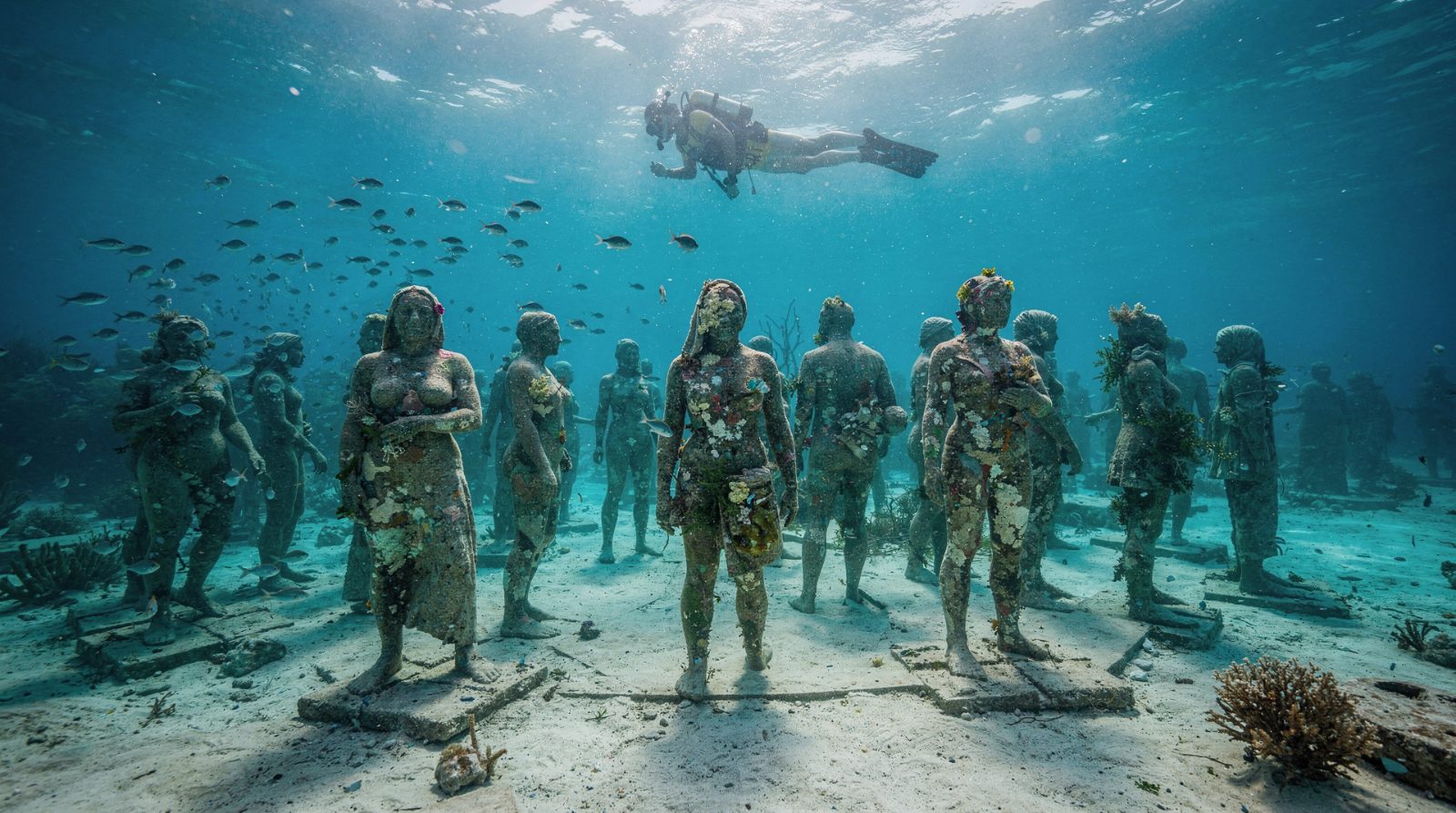
More than 500 concrete sculptures rest on the sandy seabed off Cancun, set three to eight metres down and slowly colonised by coral since the first figures were lowered in 2009. That submerged gallery, created by British sculptor Jason deCaires Taylor, is one reason the question is Cancun good for snorkeling rarely earns a flat yes or no. The hotel zone's beaches front open Caribbean water with almost no structure near the shoreline. The reef, and everything worth looking at, starts a short boat ride out. Geography does the heavy lifting here. The Mesoamerican Barrier Reef, the second-largest reef system on the planet, runs the length of the Mexican Caribbean and surfaces close to the city at Punta Nizuc, at the southern end of the hotel zone, and at Manchones off Isla Mujeres. Both sit inside a national marine park, which keeps boat traffic regulated and the snorkel sites shallow and calm. Water temperature holds between roughly 26 and 29 degrees Celsius year-round, so wetsuits are optional. Visibility is the real variable: it is widest in the early hours, before the trade winds build and churn the surface. Sargassum, the drifting brown seaweed that reaches this coast most heavily from late spring through summer, affects the beaches more than the offshore reef, though a heavy influx can cloud nearshore water for days. Expectations matter more than conditions. Snorkelers who have drifted over the walls of Cozumel or the reef line at Puerto Morelos will find the sites near the city gentler and busier; those comparing against a hotel pool will see parrotfish, sergeant majors, French angelfish and the occasional southern stingray within ten minutes of leaving the dock. Most visitors reach the water on a catamaran or panga from Puerto Juárez or the marinas along the Nichupté Lagoon, with departures clustered in the morning. Searching in Spanish for esnórquel en Cancún surfaces the same reef sites under local names, often at local prices. October, with the hurricane season winding down and summer seaweed largely cleared, is among the steadier months for a Cancun snorkeling tour. Read the answer to is Cancun good for snorkeling as conditional rather than cautious: the reef delivers, provided the boat leaves early and the itinerary points offshore. Trip listings alongside this guide cover the operators that run those departures.
“The reef delivers, provided the boat leaves early and the itinerary points offshore.”
The best snorkeling conditions in Cancun occur during the spring and autumn months when water temperatures are stable and visibility is high. For daily outings, prioritizing early arrival is essential to avoid the afternoon winds that reduce water clarity.
Warm, 28°C–30°C
These months offer the calmest seas and high visibility before the peak summer heat.
Warm, 27°C–29°C
Post-summer months provide clear water and fewer tourists, though visitors should monitor seasonal weather patterns.
—
Visiting between 09:00–11:00 ensures better visibility and fewer crowds before afternoon wind shifts.
Verdict: The most favorable conditions are found on weekday mornings during April or October, adhering to the recommended 09:00–11:00 arrival window.
The snorkeling sites at MUSA Underwater Museum maintain a consistent daily schedule to accommodate visitors. These hours remain uniform throughout the week.
Cancun offers strong snorkeling potential, but success depends on timing and preparation. Avoid these common missteps that turn a promising outing into a wasted trip.
Booking with uncertified operators
Book only with operators holding CONANP permits and liability insurance. Non-certified guides often lack emergency protocols and may access restricted reef zones, risking both safety and heavy fines.
Ignoring wind and wave forecasts
Check marine conditions the morning of your visit—afternoon winds above 15 knots reduce visibility to under 3 meters and create unsafe surface chop. Reschedule if conditions exceed your skill level.
Skipping the marine park fee
The 125 MXN conservation fee is mandatory at MUSA and protected reef sites. Operators who claim it's optional are operating illegally; you'll be turned away at official access points without proof of payment.
Assuming all seasons are equal
June through August brings warmer water but also peak sargassum blooms that can block entire snorkel sites for days. Monitor seaweed reports at http://www.sargazo.org before booking.
Underestimating current strength
Punta Nizuc and Manchones sites feature currents exceeding 1 knot during tidal exchanges. If you're not a confident swimmer, request a drift-snorkel format with in-water guides rather than attempting to swim against the flow.
Snorkelling the MUSA sites rewards a little advance sorting, so work through these in order from the weeks before your trip to the morning itself.
Everything you need to know about is cancun good for snorkeling
Yes, Cancun is considered a premier destination for underwater exploration due to its vibrant barrier reefs and clear Caribbean waters. Many visitors find that is cancun good for snorkeling is a frequent topic because of the diverse marine life found in the region.
The MUSA Underwater Museum features hundreds of life-sized sculptures that serve as an artificial reef. This site provides a distinctive way to observe marine ecology while exploring a unique submerged art collection in the Cancun area.
For the best experience, aim to arrive between 09:00 and 11:00. This window typically offers better water visibility and helps you avoid the larger crowds that arrive when the afternoon winds pick up.
Each visitor must pay a 125 MXN marine park conservation fee. This mandatory contribution helps support the ongoing protection and preservation of the local reef environment.
Many families agree that is cancun good for snorkeling when choosing sheltered areas like Punta Nizuc. These spots often have calmer currents, making it easier for younger swimmers to enjoy the underwater scenery safely.
A frequent error is failing to check weather conditions or local wind patterns before heading out. Visitors often improve their experience by planning their visit during the calm morning hours rather than later in the day.
While conditions vary, Cancun is generally excellent for snorkeling year-round. Understanding if cancun good for snorkeling fits your travel dates can help you maximize your time in the water near popular landmarks.
Ensure you have your reservation details and appropriate sun protection. While rental gear is often available through authorized tour providers, confirming your visit to the MUSA site beforehand ensures you are prepared for your aquatic excursion.
Best Beaches in Cancun for Snorkeling
Read more GuideBest Snorkeling Spots in Cancun
Read more GuideBest Snorkeling Resorts in Cancun
Read more GuideBest Time for Snorkeling in Cancun
Read more Tickets & toursBest Snorkeling Tours in Cancun
Read more GuideSnorkeling in the Cancun Hotel Zone
Read more